Your year in review
AAST Wrapped
2026
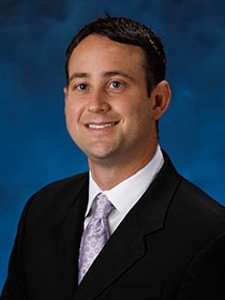
2026 has been another monumental year for AAST and the trauma community. In this article we have links to a podcast episode with our esteemed Executive Director, Sharon Gautschy. Sharon reflects on her journey and the growth of the AAST over the past two decades. We also have articles in this edition of The Cutting Edge that highlight a surgery-first approach to choledocholithiasis, the importance of EGS verification and advancements in palliative care. No matter what holiday you celebrate, on behalf of the entire AAST Cutting Edge team we celebrate you, the amazing members of AAST and let you know that we appreciate all you do for this organization and injured and critically ill patients around the world!
— Jeffry T. Nahmias, MD

The Cutting Edge Podcast
As this final edition of 2026 closes, so does Sharon Gautschy’s 20th year as Executive Director of the AAST. In case you missed it, Communications Committee Chair Dr. Shannon Foster sat down with Sharon for a special episode of The Cutting Edge Podcast to look back on two decades of growth: from a staff of one to more than 17 committees and two journals, built on relationships, forward-thinking boards, and smart risks with member dollars.
Hear what she admires most about trauma surgeons, the lunch-line conversation that sparked our online education program, and her advice for every member: show up and get involved.
“If you want to get involved, get involved.” — Sharon Gautschy
Listen to the Episode →Congratulations and thank you, Sharon!
Click any article to jump to it below.
Palliative Trauma Committee
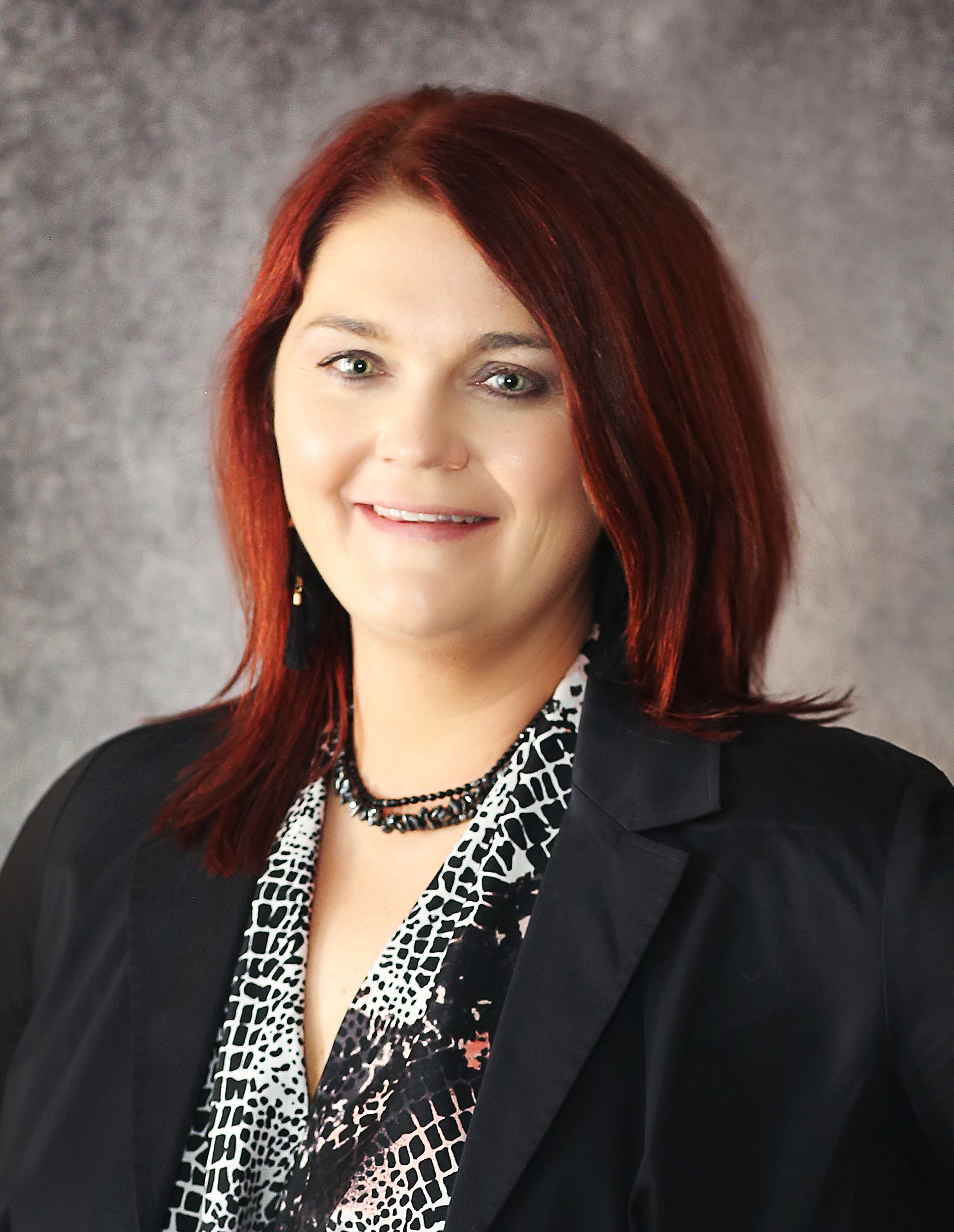
Written by: Gretchen Dunford, DO, FACOS, FACS, CNSC
The AAST Palliative Care Committee has had an exciting year expanding practical clinical resources, designing multicenter research initiatives, and developing innovative educational sessions for the Annual Meeting. Join us to explore new Goals of Care One-Pagers, contribute to ongoing research, and collaborate on improving palliative care delivery across trauma systems.
★ Featured Article
Written by: Heather D. Ots, MD, Lucas P. Neff, MD


What if choledocholithiasis could be reclaimed by surgeons? One disease process, one operation, and one recovery? As acute care surgeons revisit laparoscopic common bile duct exploration (LCBDE), a surgery-first approach offers a technically accessible pathway that can reduce procedures, preserve biliary anatomy, shorten hospital stays, and restore surgical ownership of definitive biliary care.
Disaster Committee
Written by: Lukasz Bogdan, MD, Lori Rhodes, MD

The growing frequency and impact of disasters, driven by climate change, urbanization, and dense populations, increasingly challenge existing emergency response frameworks. Artificial intelligence (AI) directly addresses these challenges by enhancing disaster preparedness, response, and recovery. Current research emphasizes that AI advances forecasting, situational awareness, coordination, and infrastructure stability, positioning it as a transformative force for proactive disaster management.
Emergency General Surgery Ad Hoc Committee
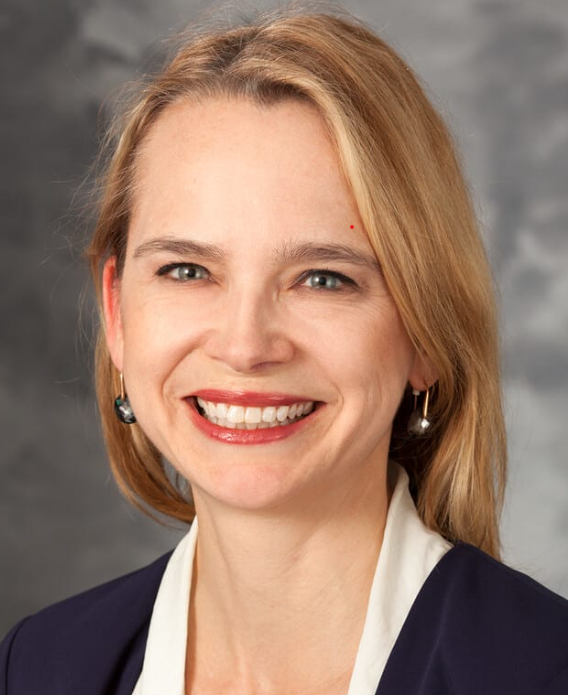
Written by: Stephanie A. Savage, MD, MS, FACS
Two hospitals, University of Tennessee Medical Center and Medical City Plano, recently achieved verification through the ACS/AAST Emergency General Surgery Verification Program. Their experiences highlight the work behind verification, the importance of building programs around each hospital’s patients, teams, and resources, and the commitment to continuous improvement that supports high-quality EGS care.

Pediatrics Committee
Written by: Bindi Naik-Mathuria, MD, MPH
How can regional collaboration improve pediatric trauma and burn care while keeping patients closer to home? The AAST Pediatric Trauma Committee's lunch session explored strategies to optimize patient transfers, strengthen pediatric readiness at non-pediatric trauma centers, and expand access to specialized burn care through training, consultation, and telehealth.
Watch the full lunch session: Optimizing Pediatric Trauma and Burn Regional Management.